
What Makes Us Sick?
We get sick when something disrupts the body’s normal function.
This happens in two broad ways.
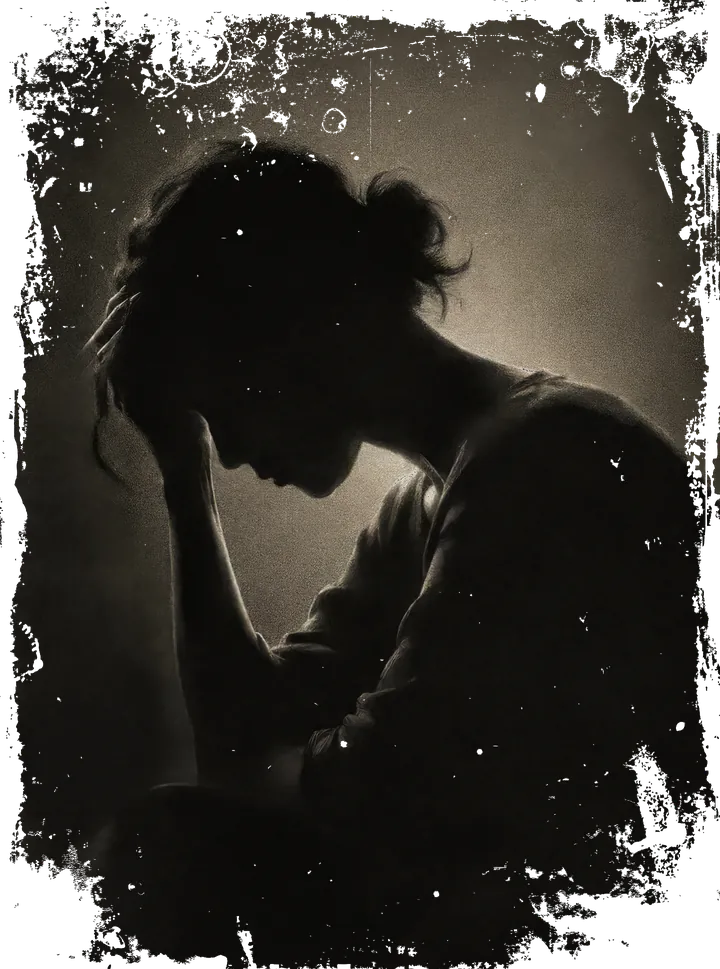
An attack from outside.
It is sudden. Small organisms such as bacteria, viruses, fungi and parasites invade us. Or a poisonous substance enters us, such as swallowed fuel or a snake bite.
The enemy is identifiable and foreign to us. We can target and kill it, neutralise it, or help the immune system do the job. Once it is gone, we are usually fine.
These are events, not fundamental diseases. They happen because we are exposed to them. Like injuries. If we wear masks, stay at home, and stay away from snakes, we rarely meet them at all.
This is where modern medicine has won its greatest victories.
- Vaccinesprevent infection.
- Antibioticskill bacteria.
- Antiviralssuppress viruses.
It begins inside us.
It is a slow destruction from within.
- Nerve cells die.
- Joints degenerate.
- The immune system attacks the body it should protect.
- Insulin production fails, or the body stops responding properly to it.
- Organs gradually lose function.
There is no foreign enemy to destroy.
The problem is our own biology, changed.
Most of what kills us now begins inside.
The leading causes of death today, in plain words.
The world 2023
8 of 10
begin inside
- Heart disease
- Stroke
- Long-term lung disease
- Chest infections
- Dementia
- Diabetes
- Lung cancer
- High blood pressure
- Kidney disease
- Stomach infections
United States 2024
8 of 10
begin inside
- Heart disease
- Cancer
- Accidents
- Stroke
- Long-term lung disease
- Dementia
- Diabetes
- Kidney disease
- Liver disease
- Suicide
United Kingdom 2024
5 of 6
begin inside
- Dementia
- Heart disease
- Long-term lung disease
- Stroke
- Lung cancer
- Flu and pneumonia
Medicine defeated the enemy outside.
We lived long enough to meet the one inside.
Ranked by number of deaths. United Kingdom figures cover England and Wales, where only the top six causes are published. Sources: World Health Organization, Global Health Estimates (2026). US Centers for Disease Control and Prevention, final data 2024. UK Office for National Statistics, deaths registered 2024.
“Modern medicine has learned to fight what enters the body. It has not learned to reliably repair what goes wrong within it.”
Modern medicine has saved countless lives. Yet it has no verified cure for most of these diseases. It can relieve symptoms, slow progression, replace lost function, or remove the damaged part.
There are fragmented successes. Some patients recover. Some treatments produce extraordinary results in particular people.
Most of the time, we don’t know how or why.
A few recoveries are not proof of a treatment. One successful case does not establish a method.
So the problem remains.
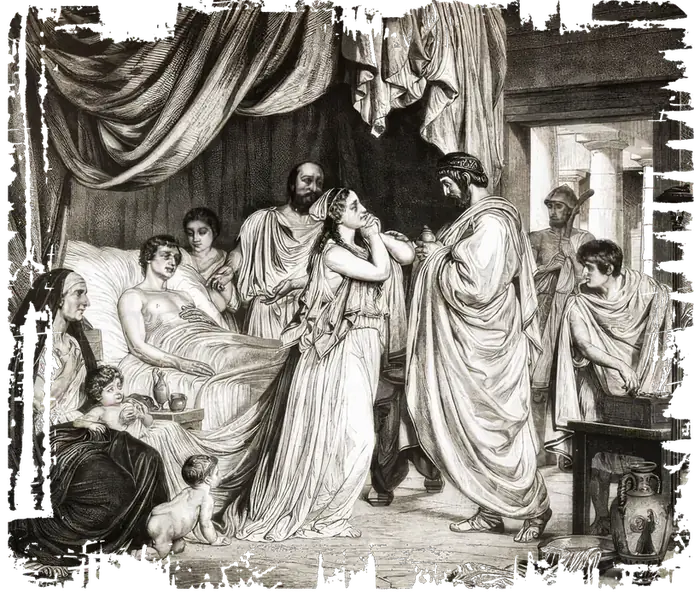
But people faced these same illnesses long before modern medicine.
“They did not search for an enemy. They looked at the whole person.”
They built a system around balance. In this system, every person has a temperament. Every food, habit and season pushes the body toward one temperament or another. Illness begins when the balance is lost. Health returns when it is restored.
It is one of the oldest systems of medicine known. No one can say exactly when it began. It is not a herb or a remedy. It is a way of seeing the body.
So we ask: what did this old system see that we stopped looking for?
And that is where our story begins.
Questions we set out to answer.
- When did it begin?
- Is it Ayurveda? Unani?
- Why did medicine abandon it?
- Does science agree?
- What is my temperament?
- How is a food warm or cold?
- Can balance heal?
- Is it safe with my treatment?
- What are you selling?
- Thousands of years. Gone in two hundred?
- If it worked, why did we stop?
- Do seasons change us?
What we are making.
One tradition, told in many forms. To watch, to read, and to use every day.
The Temperament Profiling System
A clear, practical system to find your own temperament. Simple questions about your body, your habits and your days. Your answers show where your balance lies.
Explore →Everyday Food and Herb Temperament Guide
Everyday foods and common herbs, each with its own nature: warm or cold, moist or dry. Use the guide with the profiling system to choose what brings you back to balance.
Explore →The Chylos Letter
Research, stories and project updates, with first word on each new edition, film, book and guide.
Chylos (χυλός) is Greek for juice. In ancient medicine, digested food became chylos, which the body turned into the four humours.
Chylos’s ultimate goal is to uncover, research and present the traditional system of the four temperaments, so the public can reason about it and apply it safely. Our Temperament Profiling System and Everyday Food and Herb Temperament Guide follow this tradition. They are tools for self-understanding. Always consult a qualified doctor about any health condition, and before changing your diet, herbs or medication while under treatment. Read the full Disclaimer.